

What materials are Eye Link Belts made of?
Aug 05, 2025
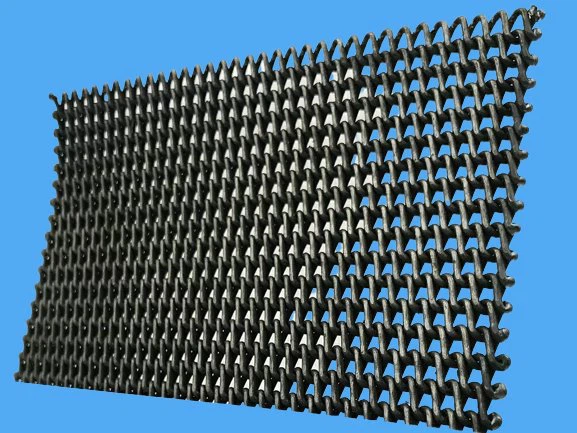
As a trusted supplier of Eye Link Belts, I'm often asked about the materials that go into making these essential components. Eye Link Belts are a type of metal conveyor belt known for their versatility and durability, used in a wide range of industries from food processing to automotive manufacturing. In this blog post, I'll delve into the various materials used to make Eye Link Belts, explaining their properties and why they are chosen for specific applications.
Stainless Steel
Stainless steel is one of the most common materials used in the production of Eye Link Belts. It is an alloy of iron, chromium, and other elements, which gives it excellent corrosion resistance. This makes it ideal for use in environments where the belt will be exposed to moisture, chemicals, or high temperatures.
There are several grades of stainless steel available, each with its own unique properties. For example, 304 stainless steel is a popular choice for general-purpose applications due to its good corrosion resistance and relatively low cost. It contains around 18% chromium and 8% nickel, which provides a protective oxide layer on the surface of the belt, preventing rust and other forms of corrosion.
316 stainless steel, on the other hand, is more expensive but offers superior corrosion resistance, especially in harsh environments such as those containing saltwater or chemicals. It contains molybdenum, which enhances its resistance to pitting and crevice corrosion. This makes it a preferred choice for applications in the food and beverage industry, where hygiene is of utmost importance.
The use of stainless steel in Eye Link Belts also offers other advantages. It is strong and durable, able to withstand high loads and frequent use without deforming or breaking. It is also easy to clean and maintain, which is crucial in industries where cleanliness is a priority.

Carbon Steel
Carbon steel is another material commonly used in the manufacturing of Eye Link Belts. It is an alloy of iron and carbon, with the carbon content typically ranging from 0.05% to 2.0%. The higher the carbon content, the stronger and harder the steel, but also the more brittle it becomes.
Carbon steel is known for its high strength and toughness, making it suitable for applications that require heavy-duty performance. It is often used in industries such as mining, construction, and automotive manufacturing, where the belts need to withstand high loads and abrasive materials.
However, carbon steel is more prone to corrosion than stainless steel, especially in wet or humid environments. To protect against corrosion, carbon steel Eye Link Belts are often coated with a layer of zinc or other protective materials. This not only extends the lifespan of the belt but also improves its appearance.
Other Materials
In addition to stainless steel and carbon steel, other materials may also be used in the production of Eye Link Belts, depending on the specific requirements of the application. For example, some belts may be made from aluminum, which is lightweight and has good corrosion resistance. Aluminum Eye Link Belts are often used in applications where weight is a concern, such as in the aerospace industry.
Plastic materials may also be used in combination with metal to create hybrid Eye Link Belts. These belts offer the advantages of both materials, such as the flexibility of plastic and the strength of metal. They are commonly used in applications where a smooth surface is required, such as in the packaging industry.
Applications of Different Materials
The choice of material for an Eye Link Belt depends on the specific application and the operating conditions. Here are some examples of how different materials are used in various industries:
Food Processing Industry
In the food processing industry, stainless steel is the material of choice due to its corrosion resistance and ease of cleaning. Grid Link Conveyor Belts made from stainless steel are commonly used for conveying food products such as fruits, vegetables, and baked goods. They can withstand the high temperatures and frequent cleaning cycles required in food processing plants.
Automotive Industry
In the automotive industry, carbon steel Eye Link Belts are often used for heavy-duty applications such as moving parts along assembly lines. Their high strength and durability make them suitable for handling large and heavy components. Additionally, the use of protective coatings helps to prevent corrosion in the often harsh manufacturing environment.
Baking Industry
Rolled Baking Oven Belts are typically made from stainless steel to withstand the high temperatures inside baking ovens. The smooth surface of the belt ensures that the baked goods are transferred evenly through the oven, resulting in consistent quality.
Filtration Industry
Filter Mesh Belts are used for separating solids from liquids or gases. They are often made from stainless steel or other corrosion-resistant materials to ensure long-term performance. The fine mesh structure of the belt allows for efficient filtration while maintaining a high flow rate.
Why Choose Our Eye Link Belts
As a supplier of Eye Link Belts, we understand the importance of using high-quality materials to ensure the performance and longevity of our products. We offer a wide range of Eye Link Belts made from different materials to meet the diverse needs of our customers.
Our belts are manufactured using advanced techniques and strict quality control measures to ensure that they meet or exceed industry standards. Whether you need a belt for a food processing plant, an automotive assembly line, or a baking oven, we have the expertise and resources to provide you with the right solution.
In addition to our high-quality products, we also offer excellent customer service. Our team of experts is available to assist you in selecting the right material and belt configuration for your specific application. We can also provide technical support and after-sales service to ensure that your Eye Link Belt performs optimally.
Contact Us for Purchasing
If you are interested in purchasing Eye Link Belts or have any questions about our products, please don't hesitate to contact us. We are always happy to discuss your requirements and provide you with a competitive quote. Let's work together to find the perfect solution for your conveyor belt needs.
References
- ASM Handbook Committee. (2004). ASM Handbook, Volume 1: Properties and Selection: Irons, Steels, and High-Performance Alloys. ASM International.
- Schweitzer, P. A. (2004). Handbook of Corrosion Engineering. McGraw-Hill Professional.