


Filter Mesh Belts
What Is Filter Mesh Belts? Filter mesh belts are conveyor belts made of mesh materials that are designed to filter and dry materials as they are transported along the belt. The mesh openings vary in size, allowing smaller particles to pass through while retaining larger particles. Filter mesh belts are commonly used in the food, chemical, and pharmaceutical industries to filter and dry products such as fruits and vegetables, herbs, spices, and chemicals. They can be made of various materials such as stainless steel, polyester, nylon, and PTFE (polytetrafluoroethylene), depending on the specific application requirements.
Description
Why Choose Us
Quality
Are known for their high-quality materials and construction, ensuring durability and longevity of the products.
Customization
Offers customization options for their products to fit the specific needs and requirements of customers.
Competitive pricing
Offer competitive pricing without compromising the quality of their products and services.
Customer service
JoYa's customer service is known to be responsive, prompt and helpful in addressing the needs and concerns of customers.
What Is Filter Mesh Belts?
Filter mesh belts are conveyor belts made of mesh materials that are designed to filter and dry materials as they are transported along the belt. The mesh openings vary in size, allowing smaller particles to pass through while retaining larger particles. Filter mesh belts are commonly used in the food, chemical, and pharmaceutical industries to filter and dry products such as fruits and vegetables, herbs, spices, and chemicals. They can be made of various materials such as stainless steel, polyester, nylon, and PTFE (polytetrafluoroethylene), depending on the specific application requirements.


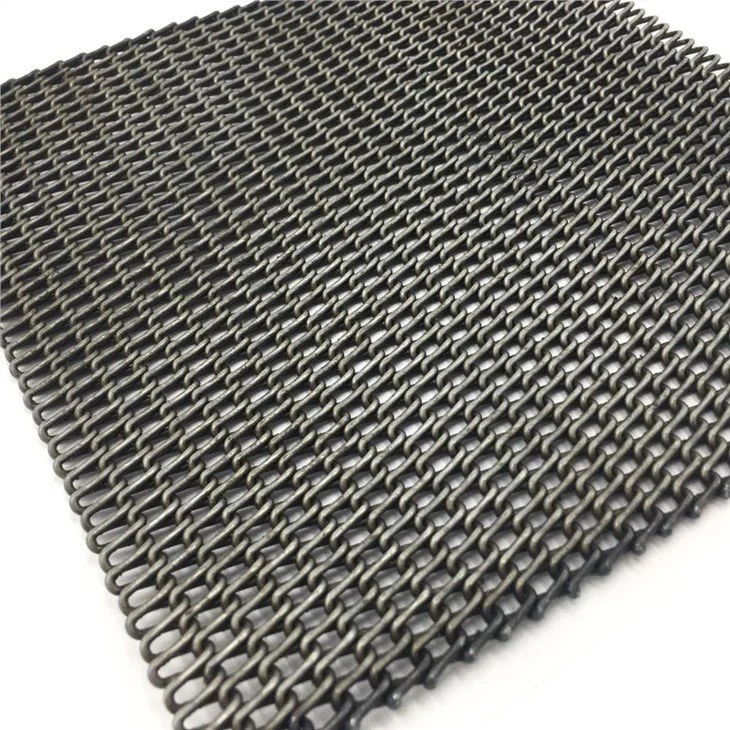
Benefits of Filter Mesh Belts
Efficient filtration
Filter mesh belts are designed to be highly efficient in filtering out impurities and contaminants from liquids, gases, and other substances. They can trap particles as small as a few microns, making them ideal for use in industries where precise filtration is critical.
Increased durability
Filter mesh belts are made from high-quality materials, such as stainless steel or polypropylene, that are resistant to wear, tear, and corrosion. This means they can withstand harsh operating conditions and last much longer than traditional filtration methods.
Easy maintenance
Filter mesh belts are easy to clean and maintain, making them ideal for use in applications where frequent cleaning is required. They can be easily disassembled, cleaned, and reassembled, saving time and labor costs.
Customization
Filter mesh belts are available in a range of sizes and configurations, making them adaptable to a variety of applications. Customization options include different weave patterns, wire diameters, and mesh sizes, which allow for precise filtration requirements.
Improved product quality
The use of filter mesh belts can help improve product quality by removing impurities and contaminants from raw materials. This can lead to fewer defects, a longer product lifespan, and increased customer satisfaction.
Cost-effective
Filter mesh belts are a cost-effective filtration solution that can save money over time compared to traditional filtration methods. They require less maintenance, have a longer lifespan, and can reduce the need for costly repairs or replacements.
Features of Filter Mesh Belts


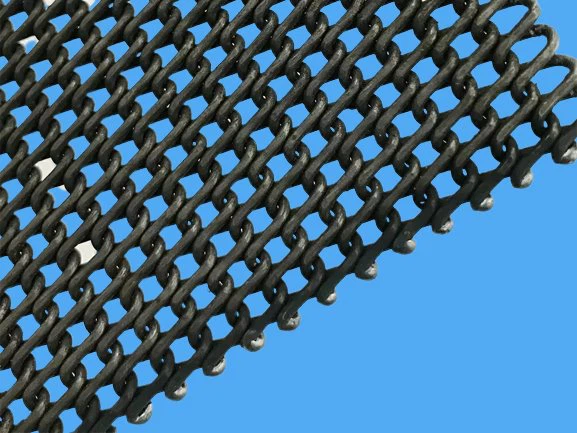
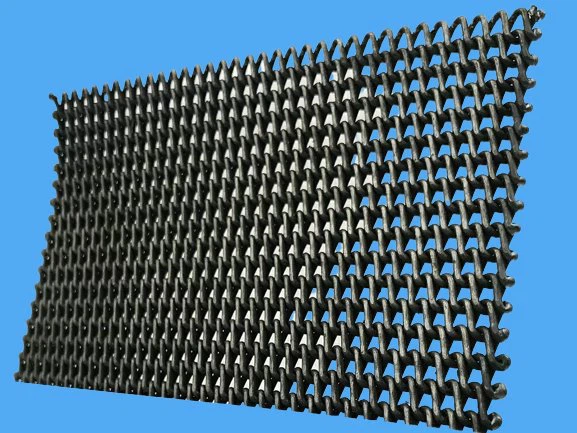
1. Mesh material: The mesh material used for filter mesh belts may vary depending on the application requirements. Common mesh materials include polyester, nylon, polypropylene, stainless steel, and PTFE. The mesh material should be durable and resistant to wear and tear.
2. Open area: The open area of the filter mesh belt refers to the percentage of the surface area that is open or not covered by the mesh. The open area should be selected based on the required flow rate and particulate size. Higher open area results in higher flow rates, but also allows larger particles to pass through.
3. Filtration efficiency: The filtration efficiency of the filter mesh belt refers to the percentage of particulates that are captured by the mesh. The filtration efficiency should be selected based on the specific application requirements and the desired level of particulate removal.
4. Operating temperature range: The operating temperature range of the filter mesh belt should be considered when selecting the material. Different mesh materials have different temperature ranges, and the maximum operating temperature should be selected based on the application requirements.
5. Belt width and length: The width and length of the filter mesh belt should be selected based on the size and specifications of the machine or equipment it will be used in.
6. Strength and durability: The filter mesh belt should be strong and durable enough to provide reliable filtration over its lifespan. The material and construction of the belt should be selected accordingly.
7. Chemical resistance: The filter mesh belt may be exposed to various chemicals during use, and the material should be resistant to these chemicals to prevent degradation or damage.
8. Hygiene considerations: In some applications, such as food and beverage processing, hygiene considerations are important. Materials used for filter mesh belts intended for these applications should be compliant with food contact safety regulations and easy to clean.
Types of Filter Mesh Belts
Polyester mesh belts
Made from polyester monofilament yarns, these belts are perfect for high-speed machinery and applications requiring a high degree of accuracy.
Stainless steel mesh belts
These belts are made of stainless steel and are ideal for applications where hygiene and resistance to high temperatures are important.
Nylon mesh belts
These belts are made of nylon and are perfect for applications where resistance to abrasion and strain is critical.
Wire mesh belts
These belts are made of various metals and are commonly used in high-temperature and heavy-duty applications.
Spiral mesh belts
Spiral mesh belts have a unique structure that allows them to have a large open area suitable for air or liquid to pass through.
Chain link mesh belts
These belts are made of a chain-link pattern and can handle heavy-duty loads.
Plastic mesh belts
These belts are made from thermoplastic polyester, polyolefin, or polyurethane, which makes them suitable for applications that require chemical resistance and easy cleaning.
Cotton mesh belts
Made from cotton fibers, these belts are used for applications requiring a surface that won't scratch delicate products.

Material of Filter Mesh Belts
Teflon
Teflon (PTFE) is a high-performance polymer with excellent chemical resistance and low friction properties, ideal for applications that require non-stick surfaces.
Monel
Monel is a nickel-copper alloy that is resistant to corrosion and high temperatures, making it ideal for filtration applications in harsh environments.
PEEK
Polyether ether ketone (PEEK) is a high-performance thermoplastic that is strong, lightweight, and has excellent chemical resistance.
Stainless Steel
Stainless steel is a popular choice for filter mesh belts because of its corrosion-resistant properties and durability.
Polypropylene
Polypropylene is a synthetic material that is lightweight, strong, and has excellent chemical resistance.
Polyeste
Polyester is a synthetic material that is strong, flexible, and has good chemical resistance.
Stainless Steel
Stainless steel is a popular choice for filter mesh belts because of its corrosion-resistant properties and durability.
What are the Applications of Filter Mesh Belts
Mesh belts are primarily used for the filtration, draining and drying of various continuous products.
They are ideal for the following purposes:
1.Fruit and vegetable processing Washing and drying of fruit and vegetables
2.Fish processing De-watering, washing of shellfish and crustaceans
3.Treatment of waste water
4.Filtering and sifting of sludge products
5.Drying and cooling processes
6.Drainage processes
7.Filter or suction belts

The Using Steps of Filter Mesh Belts

Preparation
Before using the filter mesh belt, make sure that it is clean and free of any debris or particles that may interfere with its performance. Clean the belt using a soft brush and water, if necessary.

Attachment
The filter mesh belt can be attached to the conveyor or processing equipment using clips, hooks, or other fasteners. Make sure that the belt is securely attached to prevent it from slipping or coming loose during operation.

Adjustment
Adjust the tension of the filter mesh belt to ensure that it is taut and does not sag or stretch during operation. This will ensure that the particles are filtered properly and that the belt does not become damaged or worn out prematurely.

Operation
Start the conveyor or processing equipment and make sure that the filter mesh belt is running smoothly and without any obstruction or resistance. Monitor the performance of the belt and make any necessary adjustments to maintain its proper operation.

Maintenance
Clean the filter mesh belt regularly to prevent clogging and ensure proper filtration. Replace the belt when necessary to avoid any breakdown or damage to the equipment. Lubricate the moving parts of the conveyor or processing equipment to ensure smooth operation and prevent wear and tear.
Maintenance Tips for Filter Mesh Belts
Maintenance Tips for Filter Mesh Belts
Filter mesh belts should be cleaned regularly to prevent the buildup of particles and debris. Use a soft brush or a damp cloth to remove any dirt or dust that has accumulated on the belt.
Avoid using harsh chemicals
Harsh chemicals and detergents can damage the filter mesh belt and reduce its effectiveness. Use mild detergent and warm water to clean the belt, and avoid using any chemicals that are not specifically recommended by the manufacturer.
Check for damage
Regularly inspect the filter mesh belt for any signs of damage, such as wear and tear, fraying, or holes. Replacing the belt before it becomes too damaged can help prevent costly repairs or replacements.
Proper storage
When not in use, the filter mesh belt should be stored in a dry, cool place to protect it from moisture and sunlight. Proper storage can help extend the life of the belt and prevent degradation.
Regular maintenance
Regular maintenance is important to ensure that the filter mesh belt is functioning properly. This includes inspecting the belt for wear and tear, cleaning it regularly, and replacing any damaged or worn parts.
Pay attention to tension and alignment
Proper tension and alignment of the filter mesh belt is crucial for optimal performance. Make sure the belt is properly tensioned and aligned to prevent slipping or poor filtration.

As a metal conveyor belt system supplier, not only know how to make a good quality belt, we know how to provide a good and effective solution of for our customers in many of applications and industries; From food to glass, from heat treatment to wood, we make conveyor belt systems and creative solution for our customers, and know how to solve the problems of belts in machines, and give our customers feedback within half hour, and through telephone or meet in factory to provide service and solve the problems,so we always work together with you to meet any problem in conveyor belts.
FAQ
Hot Tags: filter mesh belts, China filter mesh belts manufacturers, suppliers, factory, valmetal belt conveyor, steel conveyor belt mesh, Shot Blast Belts, steel cord conveyor belt manufacturing process, Rolled Baking Oven Belts, metal conveyor belt mesh


