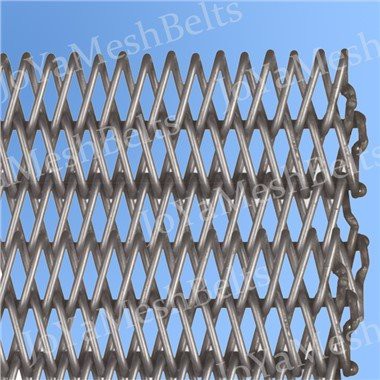
Ladder Conveyor Belts
Customization: offers customization options for their products to fit the specific needs and requirements of customers.
Description
Why Choose Us
Quality
Are known for their high-quality materials and construction, ensuring durability and longevity of the products.
Customization
Offers customization options for their products to fit the specific needs and requirements of customers.
Competitive pricing
Offer competitive pricing without compromising the quality of their products and services.
Customer service
JoYa's customer service is known to be responsive, prompt and helpful in addressing the needs and concerns of customers.
What is Ladder Conveyor Belts
Ladder conveyor belts, also known as rod conveyor belts, are made up of parallel rods or bars that are connected by crossbars to create a continuous and flexible conveyor belt. The design of ladder conveyor belts provides a flat surface for products to rest on and allows air and water to pass through the belt, making them ideal for use in the food industry. They are also commonly used for cooling, drying, and washing processes. Ladder conveyor belts are easy to maintain and can be cleaned easily due to their open construction.


Advantages Of Ladder Conveyor Belts
Versatile
Ladder conveyor belts can be used in various industries, including food processing, pharmaceuticals, automotive, packaging, and more. These belts are highly versatile and adaptable to multiple applications.
Efficient
The unique design of ladder conveyor belts allows for efficient material handling, reducing operating costs and increasing productivity. These belts can move materials vertically or horizontally, making them ideal for a wide range of conveyor systems.
Durability
Ladder conveyor belts are made of high-quality materials that are resistant to wear and corrosion, ensuring a long lifespan. They are also easy to clean, thereby maintaining their durability and hygiene.
Safe
The ladder conveyor belt design ensures that the product being conveyed remains safe and secure during transport. These belts are also equipped with safety features to prevent accidents and injuries.
Low maintenance
Ladder conveyor belts require minimal maintenance, thanks to their durable design. The belts are self-cleaning, eliminating the need for regular maintenance.
Energy-saving
Ladder conveyor belts consume less power compared to other conveyor belts, making them energy-efficient and cost-effective.
Eco-friendly
Ladder conveyor belts are made of environmentally friendly materials, making them a sustainable option for most businesses.
Features of Ladder Conveyor Belts
Ladder conveyor belts are unique and highly versatile conveyor belts that are designed to offer a number of advantages over traditional conveyor belts. Some of the important features of ladder conveyor belts include:
Open Design
Ladder conveyor belts have a unique open design that allows for easy access and visibility of the products being transported. This improves hygiene and reduces the risk of contamination.
Self-Stacking
Ladder conveyor belts are designed to be self-stacking which makes them ideal for use in vertical transportation applications. This reduces the need for additional conveyors, saving space and reducing cost.
Easy Maintenance
Ladder conveyor belts are easy to maintain as they have fewer moving parts and can be easily accessed for cleaning and maintenance.
Customizable
Ladder conveyor belts can be customized to suit specific applications. This includes the selection of materials, layouts, and configurations.
High Capacity
Ladder conveyor belts can handle high capacities and are designed to transport heavy loads with ease.
Flexibility
Ladder conveyor belts are flexible and can be used in a variety of applications including food processing, packaging, and material handling.
Durability
Ladder conveyor belts are made from high-quality materials that are durable and long-lasting. This makes them ideal for use in harsh environments and industrial applications.
Easy Installation
Ladder conveyor belts are easy to install and can be easily integrated into existing conveyor systems.
Types of Ladder Conveyor Belts
Inclined Ladder Conveyor Belt
It is designed to transport products upward or downward between two levels. This type of belt is commonly used in production facilities, warehouses, and distribution centers.
Flat Ladder Conveyor Belt
It is used for conveying light to heavy materials horizontally or with a slight incline. This type of belt is suitable for transportation of products that require a stable and flat surface.
Curved Ladder Conveyor Belt
It is used for transporting products around curved paths. This type of belt is commonly used in food processing and packaging industries.
Spiral Ladder Conveyor Belt
It is used to convey products vertically or horizontally in a spiral path. This type of belt is often used in cooling towers, freezing systems, and continuous cleaning processes.
Modular Ladder Conveyor Belt
It is made up of plastic modules that are linked together with stainless steel rods. This type of belt is ideal for transporting heavy loads and in applications where sanitation is critical.
Raised Rib Ladder Conveyor Belt
It is designed with raised ribs on the surface that provide extra grip and prevent slippage of products during transportation. This type of belt is commonly used in applications where stability and safety are essential.
Material Of Ladder Conveyor Belts
Ladder conveyor belts can be made from a variety of materials, depending on the specific application and requirements. Some common materials used in manufacturing ladder conveyor belts include:


1. Rubber
Rubber conveyor belt is a common conveyor belt material. It is waterproof, wear-resistant, tear-resistant and cold-resistant. Rubber conveyor belts are widely used in various types of conveyors, such as mining, cement, chemical, metallurgy and other industries.
2. Polyurethane
Polyurethane conveyor belts have excellent strength and wear resistance and are also very resistant to heat, oxidation and chemical corrosion. Polyurethane conveyor belts are suitable for high-speed conveying, heavy-loading, large-span and high wear-resistance requirements, and are widely used in food, medicine and other fields.
3. Nylon
Nylon conveyor belt is a lightweight conveyor belt material commonly used in small-sized conveyors, such as light industry, textile, printing and other industries. It is lightweight, has high tensile strength and is wear-resistant.
4. Polyester
Polyester conveyor belts have good strength, wear resistance and tear resistance, are lightweight and have relatively low production costs. It is widely used in light industry, food, sports facilities and other industries.
5. Steel wire core
Steel cord conveyor belt is a heavy-duty conveyor belt material. It has the characteristics of high strength, high wear resistance, high temperature resistance and fatigue resistance, and is very suitable for heavy load, large span and high strength requirements, such as ports, railway transfer and other fields.
6.Stainless Stee
This material is commonly used for ladder conveyor belts that are used in food processing and pharmaceutical industries. Stainless steel is resistant to corrosion, easy to clean, and has high thermal and chemical resistance.
Application of Ladder Conveyor Belts
1. Material Handling: One of the primary applications of ladder conveyor belts is in material handling. The belt can be used to transport small parts, packages, or boxes between different equipment or stages of the production process. The ladder shape and open design of the belt allow for easy movement and quick drying of the products.
2. Food Processing: Ladder conveyor belts are widely used in the food processing industry to transport food products gently and hygienically. The belts are compatible with various types of food products, including fruits, vegetables, meat, and poultry. The open design of the belt allows for efficient cleaning, which is critical in the food industry.
3. Packaging Industry: The ladder-shaped conveyor belts are also used in the packaging industry. The belts can transport cartons, containers, or packages between different stages of the production process, such as filling, labeling, and packing.
4. Automotive Industry: The ladder conveyor belts are also used in the automotive industry to move auto parts between different production stages, such as stamping, painting, and assembly. The belts are designed to handle heavy loads and can withstand the harsh environments found in the automotive industry.
5. Electronic Industry: Ladder Conveyor belts are used in the electronic industry for transporting electronic components such as printed circuit boards.
6. Textile Industry: These belts are used in the textile industry for transporting fabrics and garments during the manufacturing process.
7. Chemical Industry: Ladder Conveyor belts are used in the chemical industry for transporting chemicals and other hazardous materials.
8. Agricultural Industry: These belts are used in the agricultural industry for transporting products such as grain, feed, and fertilizer.
9. Conveyor Systems: Ladder Conveyor belts are used in conveyor systems for transporting products from one location to another.
A Ladder Conveyor Belts is a material handling device that uses an endless belt to transport items from one place to another. The components of a Ladder Conveyor Belts system include the pulley, the belt, and the motor that drives it. The working principle of the Ladder Conveyor Belts is simple: it uses a motor to power an idler pulley, which in turn causes the pulley to move the length of the belt. The force that drives the conveyor is produced by friction between the idler pulley and the underside of the conveyor's moving surface. This powerful frictional force is what leads to movement in both directions along a given route.
The key parts of conveyor belt systems are its supporting structure, drive mechanism, and loading device; these components work together to create an effective transportation system. The supporting structure serves as a platform for all other components and must be constructed to handle maximum loads while maintaining its shape throughout operation. On top of this support lies two main components: the drive mechanism employed by motors and gearboxes, which pushes or pulls objects along the track; and finally, a loading device which enables operators to load materials onto or off of belts easily.

Maintenance Tips For Ladder Conveyor Belts
Regular Cleaning: Regular cleaning is paramount for maintaining the optimal performance of industrial conveyor belts. Accumulated debris and material residue can lead to belt slippage, increased friction, and unnecessary wear. By implementing thorough cleaning procedures, you can extend the lifespan of your conveyor belts and optimize their functionality.
Alignment: Misalignment of conveyor belts can cause damage to the belt or other parts of the machine. Regular checks and adjustments can prolong the life of the belt.
Routine Inspections: Regular inspections play a vital role in identifying potential issues before they escalate into major problems. By conducting thorough inspections, you can detect signs of wear, damage, or misalignment and address them promptly. This proactive approach minimizes downtime and extends the overall lifespan of conveyor systems.
Timely Repairs: Addressing conveyor belt issues promptly is essential for preventing further damage and minimizing disruptions. By promptly repairing damaged or worn-out components, you can ensure the longevity of your conveyor belts. Prompt repairs reduce downtime and contribute to the efficient functioning of the entire system.
Lubrication and Maintenance: Proper lubrication is key to reducing friction and wear on conveyor belts. Applying appropriate lubricants and adhering to recommended maintenance practices enhance belt performance and extend their lifespan. Regular lubrication and maintenance routines should be incorporated into the overall maintenance plan to ensure optimal belt functioning.
Belt Replacement: Conveyor belts should be replaced when signs of wear and tear become evident. This can help avoid unplanned downtime and potential injuries.
Safety: Conveyor belts should be operated according to industry safety standards. Employees working around conveyor belts should be trained in proper safety protocols to avoid accidents.

As a metal conveyor belt system supplier, not only know how to make a good quality belt, we know how to provide a good and effective solution of for our customers in many of applications and industries; From food to glass, from heat treatment to wood, we make conveyor belt systems and creative solution for our customers, and know how to solve the problems of belts in machines, and give our customers feedback within half hour, and through telephone or meet in factory to provide service and solve the problems,so we always work together with you to meet any problem in conveyor belts.
FAQ
Hot Tags: ladder conveyor belts, China ladder conveyor belts manufacturers, suppliers, factory, Gratex Weave Belts, conveyor belt metal detector working principle, metal conveyor belt manufacturers, sheet metal conveyor belt, metal chain plate conveyor belt, flat metal conveyor chain