

Can flat wire belts be used in paper manufacturing industries?
Aug 12, 2025
In the vast landscape of industrial manufacturing, the paper manufacturing industry stands as a cornerstone, producing a wide range of products that are integral to our daily lives. From newspapers and books to packaging materials and tissue paper, the demand for paper products continues to grow steadily. As a supplier of Flat Wire Belts, I am often asked whether these belts can be used in the paper manufacturing industry. In this blog post, I will explore the potential applications of flat wire belts in paper manufacturing and discuss their benefits and limitations.
Understanding Flat Wire Belts
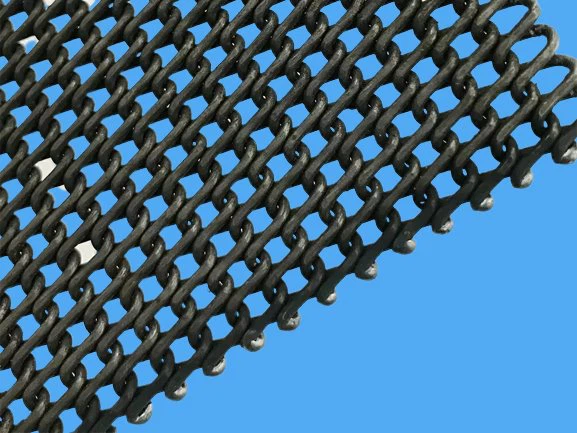
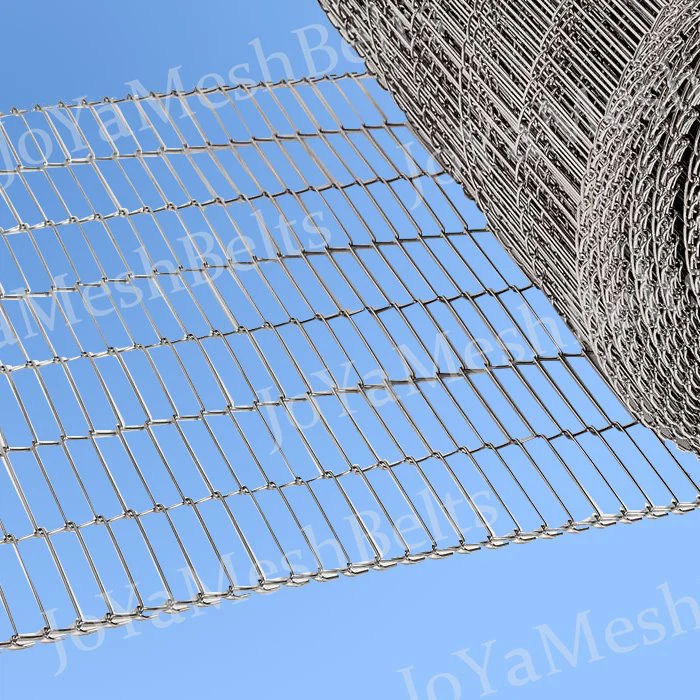
Flat wire belts are made from high-quality stainless steel wires that are woven together to form a flat, flexible surface. These belts are known for their strength, durability, and resistance to corrosion, making them suitable for a variety of industrial applications. They are available in a range of widths, lengths, and mesh sizes to meet the specific requirements of different industries.
One of the key advantages of flat wire belts is their open mesh design, which allows for excellent air and liquid permeability. This makes them ideal for applications where ventilation, drainage, or filtration is required. Additionally, the smooth surface of flat wire belts reduces friction, which can help to improve the efficiency of conveyor systems and reduce wear and tear on equipment.
Potential Applications of Flat Wire Belts in Paper Manufacturing
The paper manufacturing process involves several stages, including pulping, papermaking, and finishing. At each stage, flat wire belts can play a crucial role in ensuring the smooth and efficient operation of the production line. Here are some potential applications of flat wire belts in paper manufacturing:
Pulping
In the pulping stage, wood chips or other fibrous materials are broken down into pulp using chemicals and mechanical processes. Flat wire belts can be used in this stage to convey the pulp from one processing unit to another. The open mesh design of the belts allows for the drainage of excess water, which helps to improve the efficiency of the pulping process. Additionally, the smooth surface of the belts reduces the risk of pulp sticking, which can help to prevent blockages and downtime.
Papermaking
In the papermaking stage, the pulp is formed into a continuous sheet of paper on a papermaking machine. Flat wire belts can be used in this stage as the forming wire, which is responsible for supporting the pulp and allowing the water to drain away. The open mesh design of the belts allows for the efficient drainage of water, which helps to improve the quality of the paper. Additionally, the smooth surface of the belts helps to prevent the formation of wrinkles and other defects in the paper.
Finishing
In the finishing stage, the paper is dried, calendered, and coated to improve its appearance and properties. Flat wire belts can be used in this stage to convey the paper through the drying and calendering processes. The open mesh design of the belts allows for the efficient transfer of heat and moisture, which helps to improve the drying and calendering efficiency. Additionally, the smooth surface of the belts helps to prevent the formation of scratches and other defects in the paper.
Benefits of Using Flat Wire Belts in Paper Manufacturing
There are several benefits to using flat wire belts in paper manufacturing. Here are some of the key advantages:
Durability
Flat wire belts are made from high-quality stainless steel wires, which are known for their strength and durability. This makes them suitable for use in the harsh and demanding environment of paper manufacturing, where they are exposed to high temperatures, chemicals, and mechanical stress. The durability of flat wire belts helps to reduce the frequency of belt replacements, which can help to lower maintenance costs and improve the overall productivity of the production line.
Efficiency
The open mesh design of flat wire belts allows for excellent air and liquid permeability, which can help to improve the efficiency of the paper manufacturing process. In the pulping stage, the belts allow for the efficient drainage of excess water, which helps to reduce the energy consumption of the pulping process. In the papermaking stage, the belts allow for the efficient drainage of water from the pulp, which helps to improve the quality of the paper. In the finishing stage, the belts allow for the efficient transfer of heat and moisture, which helps to improve the drying and calendering efficiency.
Versatility
Flat wire belts are available in a range of widths, lengths, and mesh sizes to meet the specific requirements of different paper manufacturing applications. This makes them a versatile solution that can be customized to fit the needs of any production line. Additionally, flat wire belts can be used in a variety of conveyor systems, including horizontal, inclined, and vertical conveyors, which makes them suitable for use in a wide range of paper manufacturing facilities.
Cost-Effectiveness
While the initial cost of flat wire belts may be higher than that of other types of conveyor belts, their durability and efficiency can help to offset the cost over time. The reduced frequency of belt replacements and the improved productivity of the production line can help to lower maintenance costs and increase the overall profitability of the paper manufacturing operation.
Limitations of Using Flat Wire Belts in Paper Manufacturing
While flat wire belts offer many benefits in paper manufacturing, there are also some limitations to consider. Here are some of the key limitations:
Cost
As mentioned earlier, the initial cost of flat wire belts may be higher than that of other types of conveyor belts. This can be a significant investment for paper manufacturing companies, especially those with limited budgets. However, it is important to consider the long-term benefits of using flat wire belts, such as their durability and efficiency, which can help to offset the initial cost over time.
Maintenance
Flat wire belts require regular maintenance to ensure their optimal performance. This includes cleaning, lubrication, and inspection for wear and tear. Failure to perform regular maintenance can lead to premature belt failure, which can result in costly downtime and production losses. Additionally, the maintenance of flat wire belts may require specialized equipment and expertise, which can add to the overall cost of ownership.
Compatibility
Flat wire belts may not be compatible with all types of paper manufacturing equipment. Before installing flat wire belts, it is important to ensure that they are compatible with the existing conveyor system and other equipment in the production line. This may require modifications to the equipment or the installation of additional components, which can add to the overall cost and complexity of the project.
Conclusion
In conclusion, flat wire belts can be a valuable asset in the paper manufacturing industry. Their durability, efficiency, versatility, and cost-effectiveness make them a suitable solution for a variety of applications in the pulping, papermaking, and finishing stages of the paper manufacturing process. However, it is important to consider the limitations of using flat wire belts, such as their cost, maintenance requirements, and compatibility with existing equipment.
If you are a paper manufacturing company looking for a reliable and efficient conveyor belt solution, I encourage you to consider using flat wire belts. As a supplier of Flat Wire Belts, I have the expertise and experience to help you select the right belt for your specific application. I also offer a range of services, including installation, maintenance, and repair, to ensure that your conveyor system operates at peak performance.
If you are interested in learning more about our Flat Wire Belts or would like to discuss your specific requirements, please contact us [prompt specified not to add contact details]. We would be happy to provide you with more information and help you find the right solution for your paper manufacturing needs.
References
- "Paper Manufacturing Process." Wikipedia, Wikimedia Foundation, 13 Oct. 2023, en.wikipedia.org/wiki/Paper_manufacturing_process.
- "Conveyor Belts in the Paper Industry." Conveyor Belt Solutions, conveyorbeltsolutions.com/paper-industry/.
- "Flat Flex Conveyor Belts." Flat Flex Conveyor Belts.
- "Rolled Baking Oven Belts." Rolled Baking Oven Belts.
- "Veneer Dryer Belts." Veneer Dryer Belts.